
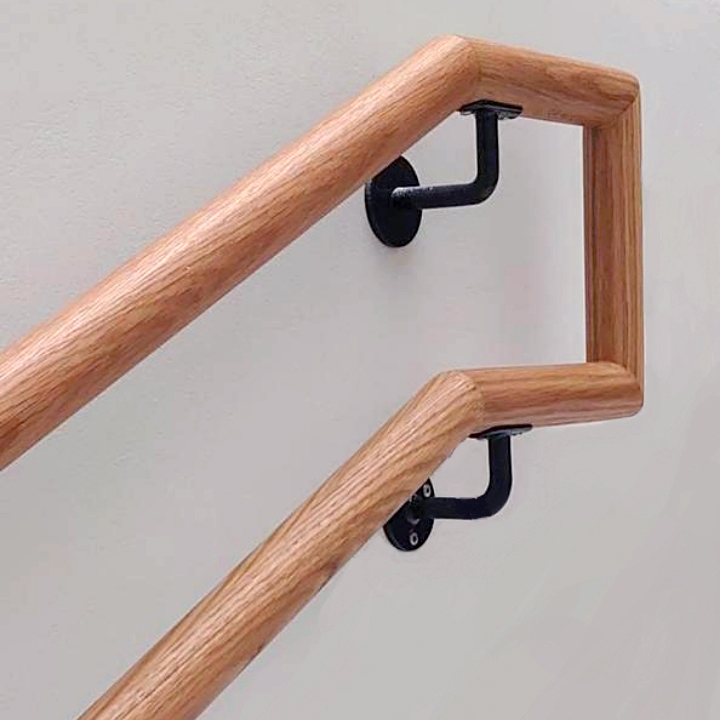
A wide variety of wood materials are used in wooden handrails, each with its own special characteristics. The most commonly used wood species are domestic birch, pine, spruce and oak as well as foreign wood species such as teak, mahogany and ash. Wooden handrails are often chosen based on the material’s durability, aesthetic properties and intended use. The hardness, wear resistance and appearance of the wood significantly affect the handrail’s functionality and longevity.
What materials are used in wooden handrails?
Both domestic and foreign wood species are used in wooden handrails, which have different properties depending on their intended use. The most popular domestic wood species are birch, pine, spruce and oak. Foreign wood species used include teak, mahogany, ash and walnut.
Domestic birch is an excellent choice for handrails due to its hardness and durability. Birch is also easy to work with and suits indoor use well. Pine and spruce are more affordable alternatives, but they are softer and may scratch more easily. Oak is an extremely durable and high-quality domestic wood species that withstands wear well.
Among foreign wood species, teak and mahogany are valued for their durability and beautiful appearance. Teak is also suitable for humid spaces, such as bathrooms or outdoor use. Ash and walnut offer beautiful texture and are hard and durable alternatives.
Which domestic wood species are best suited for handrails?
Among domestic wood species, birch, oak, pine and spruce are best suited for handrails, each with their own special characteristics. The advantage of these wood species is their availability, environmental friendliness and domestic origin.
Birch is a versatile material for handrails. It is a hard and durable wood species with a light and even appearance. Birch is easy to work with, and its surface can be finished in several different ways. Handrails made from birch are particularly suitable for modern interiors and public spaces.
Oak is one of the hardest domestic wood species and has excellent wear resistance. Oak’s beautiful grain pattern makes it an attractive choice, and it patinas beautifully over time. Oak handrails are excellently suited to locations where traditional style and durability are valued.
Pine and spruce are the most common and affordable options. Pine is softer than birch or oak, but when properly treated and maintained, it also lasts well. Spruce is slightly harder and lighter than pine. Both are well suited to traditional interiors and are easy to work with.
How does wood species selection affect handrail durability?
Wood species selection significantly affects handrail durability, as different wood species have varying hardness levels, wear resistance and moisture tolerance. Harder wood species, such as oak and ash, better withstand daily wear and use.
Wood hardness is generally measured on the Brinell scale. The higher the Brinell value, the harder and more wear-resistant the wood species is. For example, oak has a Brinell value of about 3.7, while pine is only 1.6. This means oak withstands wear more than twice as well as pine.
High-quality wooden handrails last over time when materials are chosen correctly according to the usage environment. In public spaces with heavy use, it’s worth choosing harder wood species. For home use, softer wood species can also be chosen if aesthetic values are more important.
Moisture tolerance is a particularly important property for handrails placed in outdoor areas or humid indoor spaces, such as bathrooms or saunas. Teak and heat-treated pine or spruce are good alternatives for these spaces due to their natural moisture resistance.
What surface treatments are suitable for wooden handrails?
Surface treatments suitable for wooden handrails include various oils, waxes, lacquers and paints, each with their own advantages and applications. Surface treatment significantly affects the handrail’s appearance, durability and feel.
Natural oils, such as linseed oil or wood oil, are excellent alternatives for handrails. They enhance the wood’s natural grain pattern and feel pleasant in the hand. Oil treatment is easy to renew, and it protects the wood from moisture while allowing the wood to breathe. An oiled surface deepens and becomes more beautiful over time.
Waxes, such as beeswax or carnauba wax, create a water-repellent and smooth surface. A waxed surface repels dirt and moisture but requires regular maintenance. Wax gives the handrail a soft, matte finish that feels pleasant to touch.
Lacquers and polyurethane coatings offer excellent protection against wear and are easy to clean. A lacquered surface is durable and well suited to public spaces and locations where handrails are exposed to heavy use. However, lacquer can make the wood surface feel more plastic-like.
Natural surface treatments, such as plant-based oils and waxes, are environmentally friendly alternatives that are safe for both users and the environment. They are particularly suitable for homes with children or pets.
How do I choose the most suitable wood material for a handrail?
Choosing the most suitable wood material for a handrail depends on the application, style, budget and the requirements set by the space. Different spaces require different properties from the handrail material.
For handrails used in staircases, it’s worth choosing a hard and durable wood species, such as oak or birch. These wood species withstand daily wear well and support safe movement. Staircase handrails are in continuous use, so they must be pleasant to touch and sufficiently sturdy.
In saunas and bathrooms, the wood material must withstand moisture and temperature variations. Heat-treated aspen and alder are excellent alternatives for these spaces, as they don’t heat up excessively and withstand moisture well. Teak is also an excellent alternative for humid spaces.
For handrails placed in outdoor areas, weather-resistant wood species such as pressure-treated pine, larch or teak are best suited. In outdoor use, wood material is exposed to sunlight, rain and temperature variations, so it must be particularly durable.
From a style and budget perspective, it’s good to note that domestic softwoods, such as pine and spruce, are generally more affordable alternatives, while oak and foreign hardwoods are more expensive. Wood species selection can also significantly affect the overall appearance of the space.
Summary: High-quality wood materials in handrails
Material selection for wooden handrails is an important part of a successful end result. Domestic wood species, such as birch, oak, pine and spruce can be utilized versatilely in various handrail solutions. Foreign wood species, such as teak and mahogany, also offer excellent alternatives especially for humid spaces and public locations.
Careful wood species selection ensures the handrail’s durability, appearance and functionality in its application. The requirements set by the application guide material selection – high-wear locations require more durable wood species, while in aesthetically significant locations, beautiful grain pattern and color can be emphasized.
We use high-quality Finnish wood materials in our work and know the properties of different wood species thoroughly. This enables the selection of the right wood species for each application. We manufacture wooden handrails with precise craftsmanship, respecting traditional handicraft methods and utilizing modern processing techniques.
A high-quality handrail made from the right wood species is not just a functional element, but also a beautiful interior detail that withstands time and use.
Would you like to know more or request a quote? Feel free to contact us!