
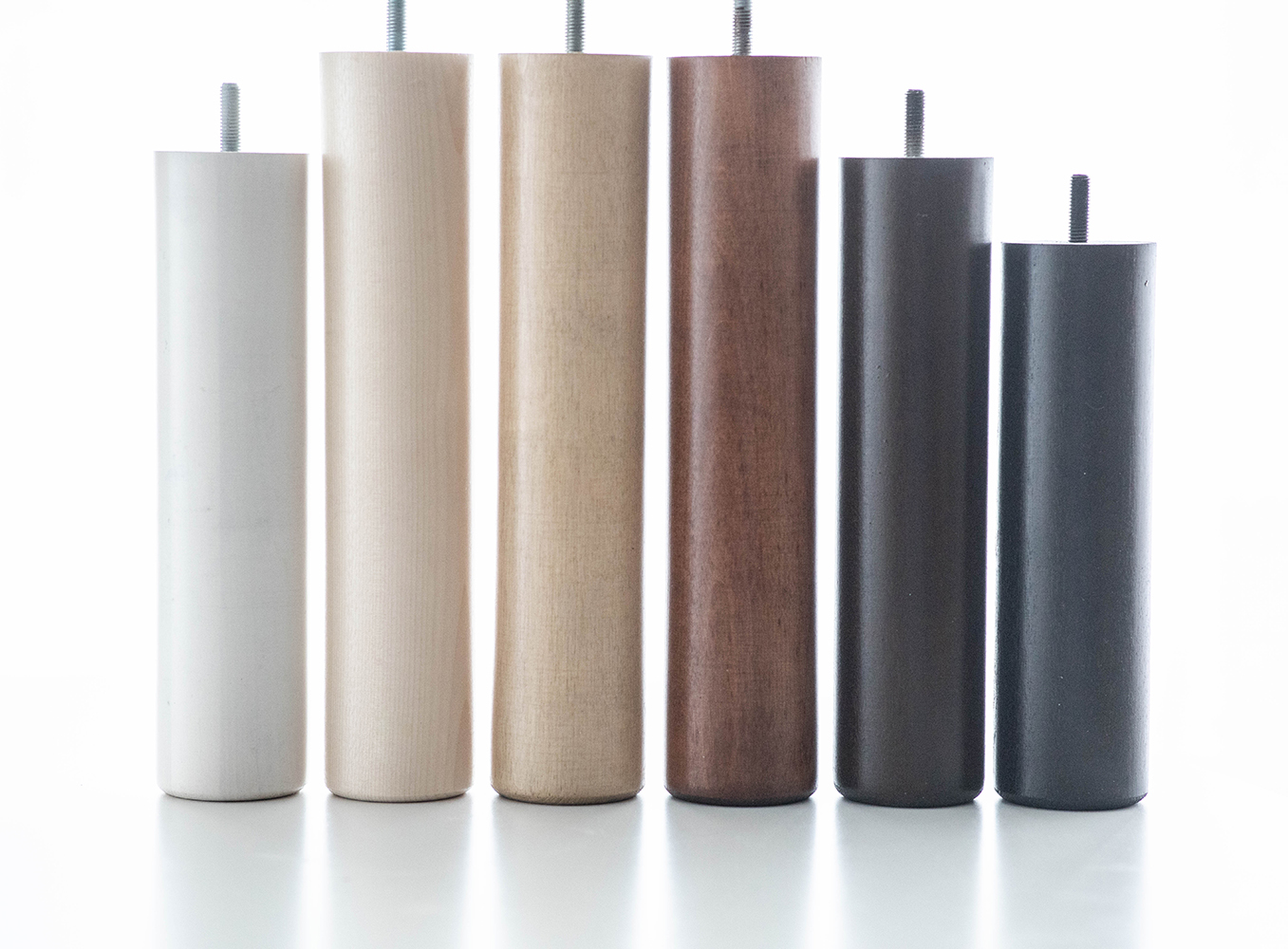
Wooden bed legs offer a timeless blend of elegance, durability, and natural charm that metal alternatives simply can’t match. As a natural material, wood brings warmth and character to your home while providing sturdy support that lasts for decades. Wooden legs combine functionality, aesthetic appeal, and environmental responsibility, making them an ideal choice for many bedrooms. They don’t just support your bed — they reflect a legacy of craftsmanship, a connection to nature, and a commitment to sustainable living.
Why Are Wooden Bed Legs Becoming an Increasingly Popular Choice?
Wooden bed legs have made a significant comeback in contemporary interior design. This trend is no coincidence – it reflects a broader consumer interest in natural materials and sustainable choices. For centuries, wood was the fundamental material for furniture until the industrial revolution introduced metals and plastics.
Today, many people seek to balance their digital and artificial environment with natural materials in their homes. The desire for naturalness has restored appreciation for wood. Wooden furniture components, such as bed legs, connect the modern home to nature and traditional craftsmanship.
The popularity of Scandinavian interior design has also increased the value of wood. This style emphasizes the natural beauty of wood, light tones, and timeless design – all qualities that wooden bed legs exemplify perfectly.
What Advantages Do Wooden Bed Legs Have Compared to Metal Ones?
Wooden bed legs have several concrete advantages over metal ones, making them a more practical choice. One of the most significant is their silent use – wooden legs don’t creak or clank, creating a more peaceful sleeping experience.
The natural warmth of wood is another notable advantage. Unlike metal legs, which feel cold especially during winter, wooden legs maintain a pleasant temperature year-round. This feature is particularly appreciated if you tend to sit on the bed or walk barefoot on the floor.
Other advantages include:
- Natural flexibility that dampens impacts
- Easy customization to match your interior design
- Possibility to repair surface damage, unlike with metal
- Natural balance between weight and stability
- Versatile design possibilities
How Long-Lasting Are Wooden Bed Legs?
When properly manufactured and maintained, wooden bed legs can easily last from one generation to the next. Legs made from quality wood can last 50-100 years, making them a very cost-effective long-term investment.
The durability of different wood species varies significantly. Domestic hardwoods such as oak and ash are particularly durable and perfectly suited for bed legs. Birch offers an excellent balance between durability and workability, while pine is softer but still strong enough for most purposes.
The advantage of Finnish wood is its growth in a slow northern climate, making the wood denser and more durable than faster-grown trees. Properly maintained, domestic wood retains its strength for decades and develops a beautiful patina over time that only enhances its appearance.
How Do Wooden Bed Legs Affect Room Decor?
Wooden bed legs serve as an important decorative element that creates unity and warmth in a space. They bring natural texture and depth to the bedroom that metal alternatives don’t offer.
Different wood species and finishes enable versatile interior design solutions. Light birch creates a fresh, Scandinavian look, while darker oak or walnut brings warmth and sophistication to the space. Finish options – from oil to wax and paint – offer limitless possibilities to personalize the appearance of bed legs to perfectly match your interior design.
Wooden bed legs blend seamlessly with various interior styles:
- Scandinavian: Light wood species and simple, clean lines
- Rustic: Rougher surfaces and natural wood grain
- Modern: Clear forms and contrasts with other materials
- Traditional: Turned details and classic design
Are Wooden Bed Legs a More Environmentally Friendly Choice?
Yes, wooden bed legs are clearly a more environmentally friendly choice than metal alternatives. Wood is a renewable natural resource, and its production process consumes significantly less energy than mining and processing metal.
The carbon footprint of responsibly sourced wood is significantly smaller than that of metal. Growing trees absorb carbon dioxide from the atmosphere, and the carbon stored in wood products remains there throughout the product’s lifecycle. Domestic wood is a particularly ecological choice, as it is produced according to strict environmental standards and transport distances are short.
At the end of their lifecycle, wood products can often be recycled, or as biodegradable materials, they return to the natural cycle. This is a clear advantage compared to metals, which require significant energy to recycle or, at worst, end up in landfills.
On What Basis Should You Choose the Right Wood Species for Bed Legs?
When choosing the right wood species for bed legs, several important factors should be considered. Hardness is one of the key properties, as it determines the durability of the legs in daily use.
Properties of Finnish wood species:
- Birch: Consistent and durable all-purpose wood, easy to work with, light shade
- Oak: Extremely hard and durable, beautiful grain patterns, prestigious appearance
- Pine: Somewhat soft but sufficiently durable, warm tone, affordable
- Ash: Flexible and impact-resistant, distinct grain pattern, relatively light shade
Purpose and load significantly affect the choice of wood species. For heavier beds, harder wood species like oak are recommended, while for lighter structures, birch or pine is often sufficient.
For the overall appearance of the interior, it’s important that the wood species and shade of the bed legs match other furniture. The choice of wood species is also a matter of personal preference – some value clear wood grain, others prefer a more uniform and even surface.
How Do Wooden Bed Legs Support a Healthy Sleeping Environment?
Wooden bed legs have properties that promote a healthier sleeping environment. Wood is naturally a breathable material that can absorb and release moisture, maintaining a more balanced room atmosphere.
Unlike many synthetic materials, wood does not contain volatile organic compounds (VOCs) that can deteriorate indoor air quality. This makes wood an excellent choice especially for people with allergies and asthma.
Wood also has a natural ability to regulate temperature and humidity – it feels warm in cold conditions and cool in hot conditions. This property helps create a more comfortable sleeping environment throughout the year.
Additionally, several studies suggest that the presence of natural materials in the living environment can reduce stress and improve well-being. Bringing wooden elements into the bedroom can therefore promote better sleep and overall health.
Wooden Bed Legs – A Sustainable Choice for Both Home and Environment
Wooden bed legs offer a unique combination of practicality, aesthetics, and environmental friendliness. They are durable, quiet, naturally warm to the touch, and bring timeless elegance to your interior that only improves over time.
By choosing bed legs made from domestic wood, you also support Finnish craftsmanship tradition and sustainable forestry. The investment in wooden bed legs pays itself back over the years – they last from generation to generation and form a valuable part of your home’s heritage.
At Sorvipojat, we manufacture high-quality wooden furniture components, such as bed legs, respecting traditional woodworking methods and the best properties of domestic wood. We use only the finest Finnish wood species and our expertise to create durable products that will serve you for decades. When you choose wooden bed legs, you’re choosing a sustainable, healthy, and aesthetic solution that you can enjoy every day.
Would you like to know more or request a quote? Feel free to contact us!