
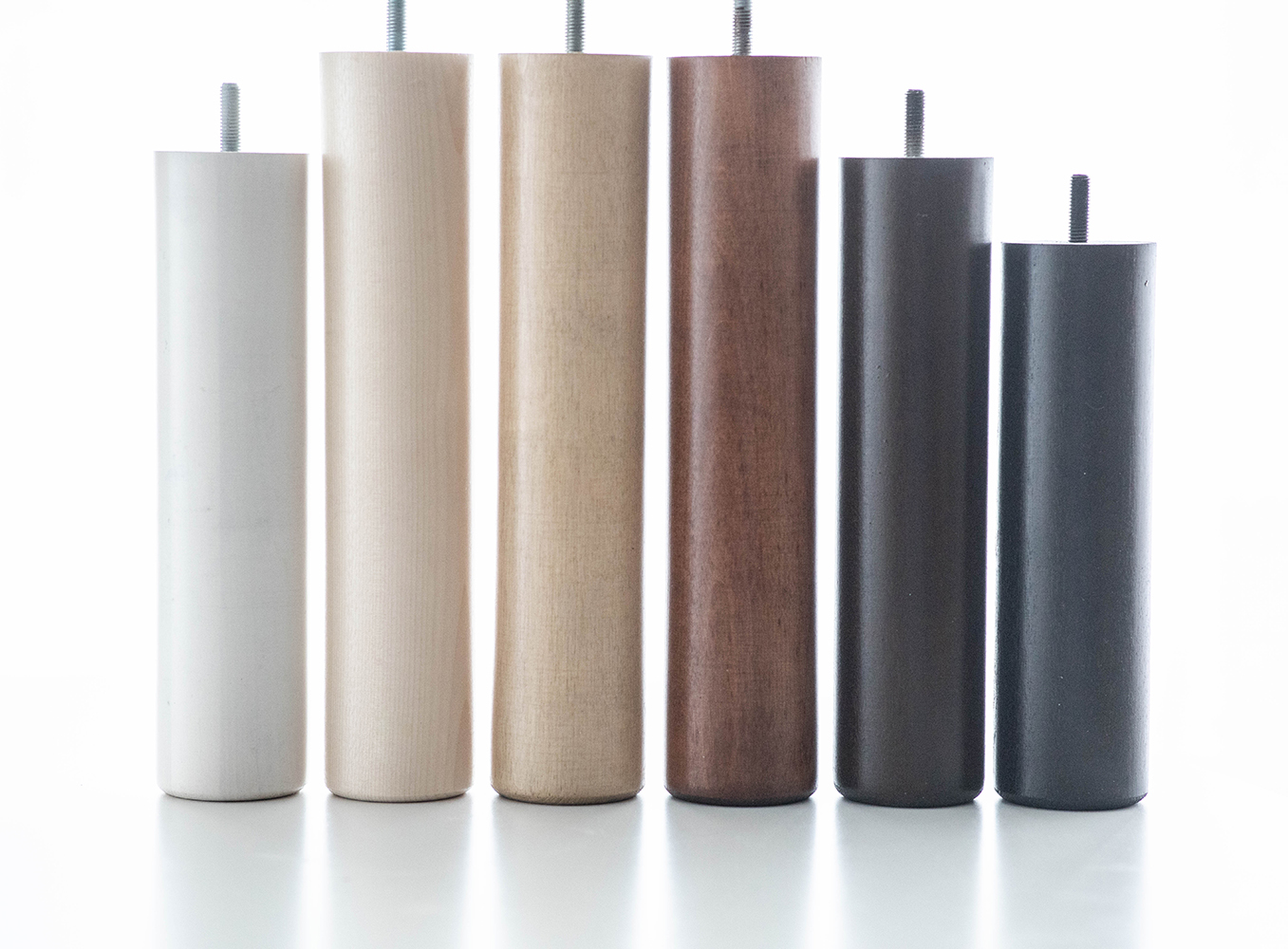
Furniture leg height directly impacts ergonomics by influencing body alignment, weight distribution, and overall comfort. The height of furniture legs determines the distance between the floor and the seating or working surface, affecting how your body positions itself during use. Proper ergonomic alignment depends on furniture heights that accommodate your body proportions, allowing joints to maintain natural angles and reducing muscle strain. When furniture leg height is appropriately matched to the user’s physical dimensions, it promotes better posture, reduces fatigue, and helps prevent long-term musculoskeletal issues.
What is the relationship between furniture leg height and ergonomics?
The relationship between furniture leg height and ergonomics is fundamental to creating comfortable, functional spaces that support physical wellbeing. Furniture leg height directly determines the overall height of furniture pieces, which in turn affects how your body interacts with them. Ergonomic design principles recognize that furniture dimensions should accommodate human measurements and movement patterns.
When furniture leg height is properly calibrated, it creates the foundation for:
- Correct spinal alignment when sitting or working
- Proper weight distribution across the body
- Reduced pressure on joints and soft tissues
- Natural positioning of limbs during use
- Easier transitions between sitting and standing
The impact of leg height varies by furniture type. For chairs and seating, leg height affects how your feet rest on the floor and how weight distributes through your thighs. For tables and desks, leg height determines arm positioning and visual focus distance. Even bed leg height influences how easily you can get in and out of bed, affecting joint stress and safety.
How does furniture height affect your sitting posture?
Furniture height directly influences sitting posture by determining the angles of your joints and the alignment of your spine. When a chair’s height is appropriate for your body, your feet should rest flat on the floor with knees at approximately 90 degrees, creating a neutral posture where your spine maintains its natural curves.
If chair legs are too high, causing your feet to dangle, several problems occur:
- Increased pressure on the underside of your thighs, potentially restricting blood circulation
- Tendency to slide forward, creating poor spinal alignment
- Strain on lower back muscles as they work to stabilize your position
Conversely, when chair legs are too short:
- Your knees rise above your hips, tilting your pelvis backward
- Your lower spine flattens or rounds, creating excessive pressure on spinal discs
- Upper body may hunch forward to compensate, straining neck and shoulders
The relationship between chair and table heights is equally important. Ideally, when seated, your elbows should bend at approximately 90 degrees when resting on the table surface. This positioning minimizes strain on shoulders and wrists during activities like typing, writing, or eating.
What are the ideal furniture leg heights for different types of furniture?
The ideal furniture leg heights vary by furniture type and user dimensions, but general guidelines exist to promote proper ergonomics. These measurements create optimal ergonomic relationships between the user and furniture, supporting comfort and healthy body mechanics.
| Furniture Type | Recommended Height Range | Ergonomic Considerations |
|---|---|---|
| Dining chairs | 43-48 cm from floor to seat | Allows feet to rest flat with knees at 90° when paired with standard table height |
| Dining tables | 73-76 cm from floor to tabletop | Provides comfortable clearance for knees and thighs while allowing proper arm positioning |
| Office/desk chairs | Adjustable: 38-52 cm from floor to seat | Accommodates different users and tasks while maintaining proper posture |
| Desks/workstations | 73-76 cm (fixed) or 65-125 cm (adjustable) | Supports neutral wrist position and proper monitor height |
| Coffee tables | 40-45 cm | Allows comfortable reach from sofa without excessive bending |
| Bed frames | 30-60 cm from floor to mattress top | Higher beds (50-60 cm) ease entry/exit for those with mobility issues |
These height recommendations represent averages and may need adjustment based on individual body proportions. The relationship between different furniture pieces is also crucial—for example, the distance between chair seat height and table surface should typically be around 30 cm for optimal arm positioning.
How can adjustable furniture legs improve your comfort?
Adjustable furniture legs significantly improve comfort by allowing customization to individual body dimensions and preferences. This personalized ergonomic adaptation helps accommodate the natural variation in human proportions, ensuring that furniture can be optimized for each user’s specific needs.
The benefits of adjustable furniture legs include:
- Accommodation for different user heights within the same household or workspace
- Ability to modify furniture height as needs change due to aging, injury, or health conditions
- Optimization for different tasks or activities performed on the same surface
- Compensation for uneven flooring without compromising stability
- Proper alignment between different furniture pieces that must work together ergonomically
For shared spaces, adjustable legs provide exceptional versatility. In workplaces, this adaptability can help meet occupational health requirements while accommodating diverse employee needs. In homes, adjustable furniture supports changing family requirements and can extend the useful life of quality pieces by adapting to new uses.
What materials are best for ergonomic furniture legs?
The best materials for ergonomic furniture legs combine structural support with appropriate weight, stability, and durability. Wood stands out as an excellent choice for custom ergonomic wooden furniture legs due to its natural properties that complement ergonomic design principles.
Quality wooden furniture legs offer several ergonomic advantages:
- Natural vibration dampening that reduces stress on the body
- Appropriate weight that balances stability with moveability
- Strength-to-weight ratio that supports proper structural integrity
- Thermal neutrality that doesn’t become uncomfortably cold or hot
- Customizability that allows for precise height and design specifications
Finnish woods like birch, pine, and oak are particularly valued for furniture legs because they combine strength with aesthetic appeal. The density of these woods provides excellent stability while their cellular structure offers natural flexibility that can absorb minor impacts and stresses.
When comparing materials, metal legs may provide slimmer profiles and industrial aesthetics but often lack the warmth and vibration-dampening qualities of wood. Plastic legs, while lightweight and inexpensive, typically don’t offer the longevity or stability needed for optimal ergonomic support.
Key takeaways: How to choose the right furniture leg height for your needs
Choosing the right furniture leg height requires considering your body dimensions, intended furniture use, and how different pieces interact within your space. The most important factor is ensuring furniture heights promote natural body positioning that minimizes strain during use.
When selecting or customizing furniture leg heights:
- Measure your body proportions, particularly the distance from the floor to the back of your knee when seated
- Consider how the furniture will be used and for how long at each sitting
- Evaluate the relationship between different furniture pieces that will be used together
- Account for any specific physical needs or limitations you may have
- Test furniture before committing whenever possible, paying attention to how your body feels
We understand that finding perfectly-sized furniture can be challenging, which is why custom solutions are often the best approach for optimal ergonomics. Using high-quality Finnish wood, we craft furniture legs that provide the exact height, stability, and aesthetic you need for proper ergonomic support.
By investing in properly sized furniture with appropriate leg heights, you’re making a significant investment in your long-term comfort and physical wellbeing. Quality wooden furniture legs not only support proper ergonomics but also provide lasting durability that maintains these benefits for years to come.
Haluatko tietää lisää tai pyytää tarjouksen? Ota rohkeasti yhteyttä!