
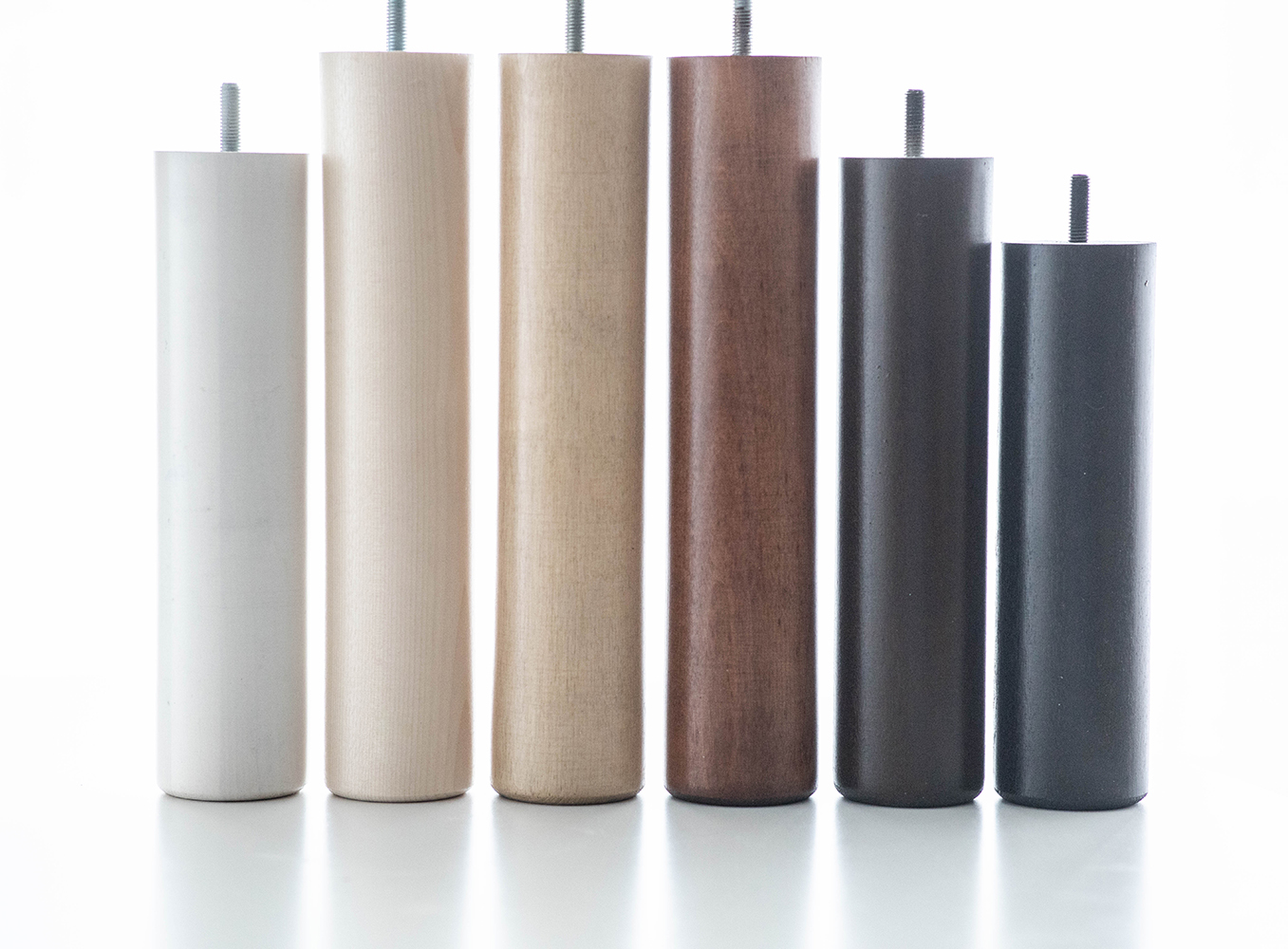
Surface treatments significantly impact the durability of furniture legs by creating a protective barrier against moisture, wear, impacts, and environmental damage. The right treatment can extend the lifespan of wooden furniture legs by years or even decades. Different finishes offer varying levels of protection – from oils that enhance the wood’s natural resilience to polyurethane that creates a hard, sealed surface. The choice of surface treatment should balance protective qualities with the intended use, aesthetic preferences, and maintenance requirements of the furniture piece.
Understanding furniture leg durability
Furniture leg durability depends heavily on proper surface treatment, which serves as the first line of defense against everyday wear and tear. Without adequate protection, wooden furniture legs for lasting durability are vulnerable to moisture absorption, scratches, dents, and discoloration, significantly shortening their lifespan.
Surface treatments create a protective barrier that shields the wood from both physical damage and environmental factors. This protection is particularly important for furniture legs, which encounter more stress and potential damage than other furniture components. They frequently come into contact with floors, may be exposed to spills, and bear the weight of the entire furniture piece.
The durability of wooden furniture legs is influenced by several factors:
- Type of wood used (hardwood vs softwood)
- Surface treatment selection
- Application method and quality
- Maintenance routine
- Usage environment
Different environments present unique challenges – high humidity areas require more moisture-resistant finishes, while high-traffic commercial spaces need treatments that withstand frequent impacts and abrasion.
What types of surface treatments are best for wooden furniture legs?
The best surface treatments for wooden furniture legs depend on the specific use case, desired appearance, and level of protection needed. Several options offer different balances of protection, aesthetics, and maintenance requirements.
Penetrating oils like linseed, tung, and Danish oil soak into the wood fibers, providing protection from within. They enhance the natural beauty of wood grain while offering moderate protection against moisture and wear. These treatments are ideal for furniture legs where a natural look and feel are priorities.
Waxes (beeswax, carnauba) create a soft protective layer that highlights the wood’s natural luster. While less durable than other finishes, they’re easy to reapply and provide a warm, traditional appearance that works well for antique or heritage-style furniture legs.
Varnishes combine resins, oils, and solvents to create a durable, water-resistant finish available in various sheens. They provide excellent protection for furniture legs in high-use environments or homes with children and pets.
Lacquers dry quickly and form a hard, durable finish that resists scratches and moisture. They’re particularly suitable for dining table and kitchen furniture legs that face frequent cleaning and potential spills.
Polyurethane finishes offer the highest level of protection, creating a plastic-like coating that excels in moisture and scratch resistance. Water-based polyurethanes provide similar protection with less yellowing and faster drying times.
How do natural oils and waxes protect wooden furniture legs?
Natural oils and waxes protect wooden furniture legs by penetrating the wood fibers and enhancing the material’s inherent properties rather than forming a separate layer on top. This integration with the wood structure provides protection while maintaining the natural look and feel that many furniture makers and owners prefer.
When applied to wooden furniture legs, oils like linseed, tung, and walnut oil soak into the porous surface and harden within the wood fiber structure. This process:
- Stabilizes the wood from the inside out
- Reduces moisture absorption and related swelling or shrinking
- Enhances the wood’s natural resistance to wear
- Brings out the depth and character of the grain pattern
Natural waxes like beeswax and carnauba work differently, sitting more on the surface while partially penetrating the wood. They create a water-repellent barrier that prevents moisture from reaching the wood while allowing it to breathe naturally.
The combination of oils and waxes offers excellent protection for furniture legs, particularly for pieces made from quality hardwoods. The natural finish makes small scratches and wear less noticeable and easier to repair compared to film-forming finishes that can crack or peel when damaged.
What’s the difference between water-based and solvent-based finishes?
Water-based and solvent-based finishes differ primarily in their chemical composition, application properties, durability characteristics, and environmental impact. These differences significantly affect their suitability for various furniture leg applications.
Water-based finishes use water as the carrying agent for the resins and binding agents. They offer several advantages:
- Lower VOC emissions and minimal odour
- Faster drying times (typically 1-2 hours between coats)
- Excellent clarity that doesn’t yellow over time
- Easy clean-up with soap and water
- Good resistance to everyday wear
Solvent-based finishes use chemical solvents to carry the protective resins. Their benefits include:
- Superior durability against moisture, heat, and chemicals
- Enhanced resistance to scratches and abrasion
- Deeper penetration into the wood fibers
- Richer colour enhancement, particularly on darker woods
- Better performance in extreme temperature and humidity conditions
For furniture legs, the choice often depends on usage context. Water-based finishes work well for most residential furniture legs, especially where quick drying times and low odour are priorities. Solvent-based finishes provide better protection for furniture legs in commercial settings, outdoor environments, or pieces that will face heavy use or frequent cleaning.
How often should you reapply surface treatments to furniture legs?
The reapplication frequency for furniture leg surface treatments varies significantly based on the type of finish, usage conditions, and wear patterns. Maintaining the right schedule helps preserve both the protection and appearance of wooden furniture legs.
Natural oil finishes generally require the most frequent maintenance. Depending on use, you should refresh oil-treated furniture legs every 6-12 months. Signs that reapplication is needed include dull spots, areas that appear dry or lighter in color, or sections that absorb water droplets rather than beading them on the surface.
Wax finishes typically need refreshing every 3-6 months in high-use furniture and annually for pieces that see less activity. When the surface begins to look dull or feels rough to the touch, it’s time to apply a new coat of wax.
Varnish, lacquer, and polyurethane finishes are more durable long-term protectants, often lasting 3-5 years before requiring significant maintenance. However, watching for these warning signs helps prevent damage to the wood beneath:
- Visible scratches or wear patches on the legs
- White rings or cloudiness (indicating moisture penetration)
- Cracking or peeling of the finish
- Areas that feel rough compared to the rest of the surface
Environmental factors significantly impact maintenance schedules. Furniture legs in high-humidity environments, direct sunlight, or commercial settings typically require more frequent treatment. Implementing a regular inspection routine helps catch early signs of finish deterioration before they lead to wood damage.
Key takeaways about surface treatments and furniture durability
The right surface treatment is crucial for maximizing the durability and lifespan of wooden furniture legs. Your choice should align with the furniture’s purpose, usage environment, and desired aesthetic qualities while providing adequate protection.
For high-moisture environments like bathrooms or kitchens, opt for water-resistant finishes like polyurethane or marine-grade varnish. For furniture legs that will encounter heavy use, such as dining chairs or commercial pieces, choose harder finishes that resist abrasion and impacts.
Regular maintenance is essential regardless of the finish type. Establishing a consistent inspection and care routine significantly extends the life of wooden furniture legs and preserves their appearance. Even the most durable finishes benefit from periodic cleaning and refreshing.
We use Finnish wood species known for their excellent natural durability, which creates an ideal foundation for any surface treatment. The dense grain structure of northern woods like pine, birch, and oak, combined with proper surface treatments, results in exceptionally durable furniture legs that maintain their beauty and structural integrity for generations.
Understanding the balance between protection and aesthetics allows you to make informed decisions about furniture leg treatments. Whether you prioritize the natural feel of oil-finished wood or need the robust protection of modern polyurethanes, the right surface treatment ensures your wooden furniture legs remain beautiful and functional for years to come.
Would you like to know more or request a quote? Feel free to contact us!