
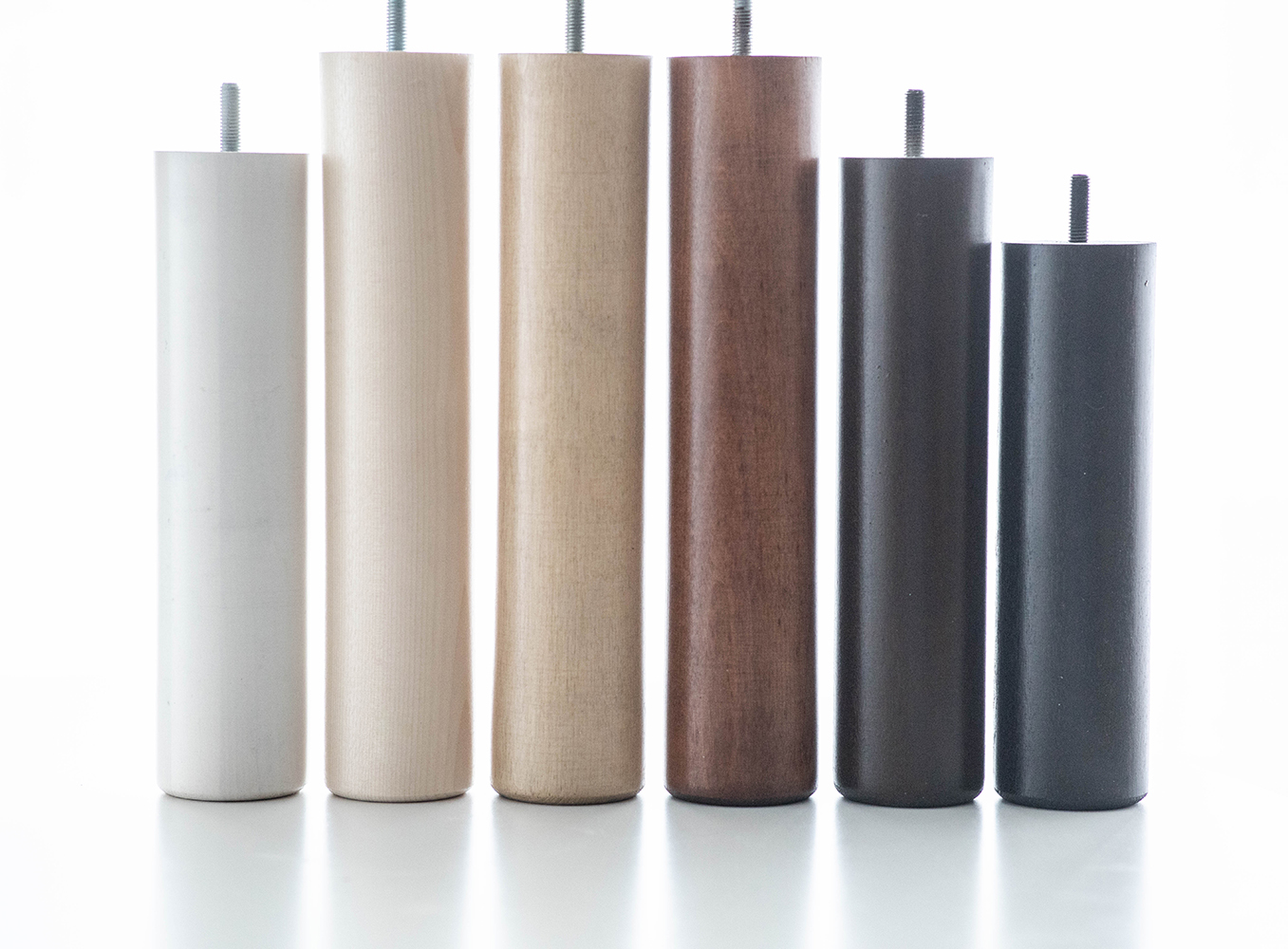
Selecting the right furniture leg based on wood material is essential for both functionality and aesthetics. The wood type directly impacts durability, load-bearing capacity, appearance, and maintenance requirements of your furniture. When choosing wooden furniture legs, consider the specific purpose of the furniture, the weight it needs to support, and the environmental conditions where it will be placed. Hardwoods like oak and maple typically offer superior strength and longevity for frequently used pieces, while softwoods like pine can be suitable for lighter applications or when seeking a more budget-friendly option. Finnish woods are particularly valued for furniture legs due to their exceptional density and straight grain resulting from slow growth in northern conditions.
What factors should you consider when choosing wooden furniture legs?
When selecting wooden furniture legs, you need to evaluate several key factors to ensure you get the perfect match for your needs. The weight capacity is paramount – different wood types offer varying levels of strength, so consider what your furniture needs to support.
The aesthetic appeal is equally important. Look at the wood grain patterns and how they complement your furniture’s overall design. Some woods feature dramatic grains while others offer subtle, uniform appearances. The colour and tone of the wood should harmonize with your existing furniture pieces.
Consider the intended environment for your furniture. Humidity levels, exposure to sunlight, and temperature fluctuations can affect different wood types in various ways. For instance, solid hardwoods typically handle environmental changes better than softwoods.
The finish options available for your chosen wood type matter as well. Some woods accept stains beautifully, while others look best with natural oils or clear coats. Think about whether you want to highlight the wood’s natural colour or modify it to match other elements.
Finally, evaluate the intended use of the furniture. Dining tables and frequently used items require sturdier legs made from dense, durable woods, while decorative pieces might allow for more delicate options.
What are the differences between hardwood and softwood for furniture legs?
Hardwoods and softwoods differ significantly in their properties, directly affecting their suitability for furniture legs. Hardwoods like oak, maple, birch, and walnut are typically more dense and durable, making them excellent choices for furniture legs that must support heavy loads or endure frequent use.
Hardwoods generally offer superior strength, with tighter grain patterns that resist splitting and damage. They tend to be more scratch-resistant and maintain their appearance longer under regular use. However, this quality comes with a higher price tag – hardwoods are usually more expensive than softwoods.
Softwoods like pine, spruce, and fir are more affordable alternatives. They’re lighter in weight and easier to work with, making them suitable for decorative furniture or pieces that won’t bear significant weight. Softwoods typically grow faster than hardwoods, making them more sustainable and cost-effective.
In terms of appearance, hardwoods often feature more distinctive grain patterns and rich colouration that many find aesthetically pleasing. Softwoods tend to have a more uniform look, though they accept stains well, allowing for versatile finishing options.
For furniture legs specifically, hardwoods are generally preferable for dining tables, beds, and heavy cabinetry, while softwoods might be suitable for lighter items like side tables or decorative pieces.
How does wood species affect the durability of furniture legs?
Wood species is the primary factor determining how durable your furniture legs will be. Oak stands out for its exceptional longevity and strength, making it ideal for furniture legs that need to support substantial weight or withstand heavy use. With its tight grain pattern and natural resistance to moisture damage, oak furniture legs can last for generations.
Maple offers similar durability with outstanding compression strength. It resists abrasion exceptionally well, making it perfect for furniture legs in high-traffic settings. Its resistance to shock loading means it won’t easily split or crack when weight is suddenly applied.
Birch provides excellent value with good durability characteristics. While not quite as hard as oak or maple, it still offers impressive strength for furniture legs, particularly in indoor environments where humidity is controlled. Finnish birch is especially prized for its tight grain resulting from slow growth in northern conditions.
Pine and other softwoods have lower density and are more susceptible to dents and scratches. However, they can be sufficient for lighter furniture pieces or in situations where the legs aren’t subjected to significant stress. Softwood legs typically require more careful maintenance and may need replacement sooner than hardwood alternatives.
The natural oils and resins present in different wood species also affect their resistance to water damage and pests, further influencing long-term durability.
Why is Finnish wood particularly good for furniture legs?
Finnish wood stands out for furniture legs due to its exceptional quality derived from Finland’s unique growing conditions. The harsh northern climate forces trees to grow slowly, resulting in denser, tighter grain patterns that provide superior strength and stability – critical qualities for furniture legs that must support weight without warping.
Finnish forests, primarily containing pine, spruce, and birch, are managed under some of the world’s strictest sustainability standards. This responsible forestry ensures consistent quality while maintaining the ecological balance. When you choose furniture legs made from Finnish wood, you’re selecting a product with genuine environmental credentials.
The extreme seasonal variations in Finland create wood with remarkable dimensional stability. This means furniture legs crafted from Finnish wood are less likely to expand, contract, or warp with humidity and temperature changes in your home – a significant advantage for furniture components that bear structural loads.
Finnish craftsmanship traditions further enhance the value of the wood. Generations of woodworking expertise have created a deep understanding of how to select, cut, and finish different wood types to maximize their natural properties. This knowledge is particularly valuable when crafting furniture legs, where structural integrity cannot be compromised.
The natural beauty of Finnish wood, with its clean appearance and subtle grain variations, also makes it aesthetically versatile for furniture legs across different design styles.
We at Sorvipojat understand the unique properties of different wood types, especially Finnish varieties that thrive in our northern climate. Our furniture legs are crafted to highlight the natural beauty and strength of these woods while ensuring they stand the test of time with proper care.
Want to learn more or request a quote? Don’t hesitate to get in touch!