
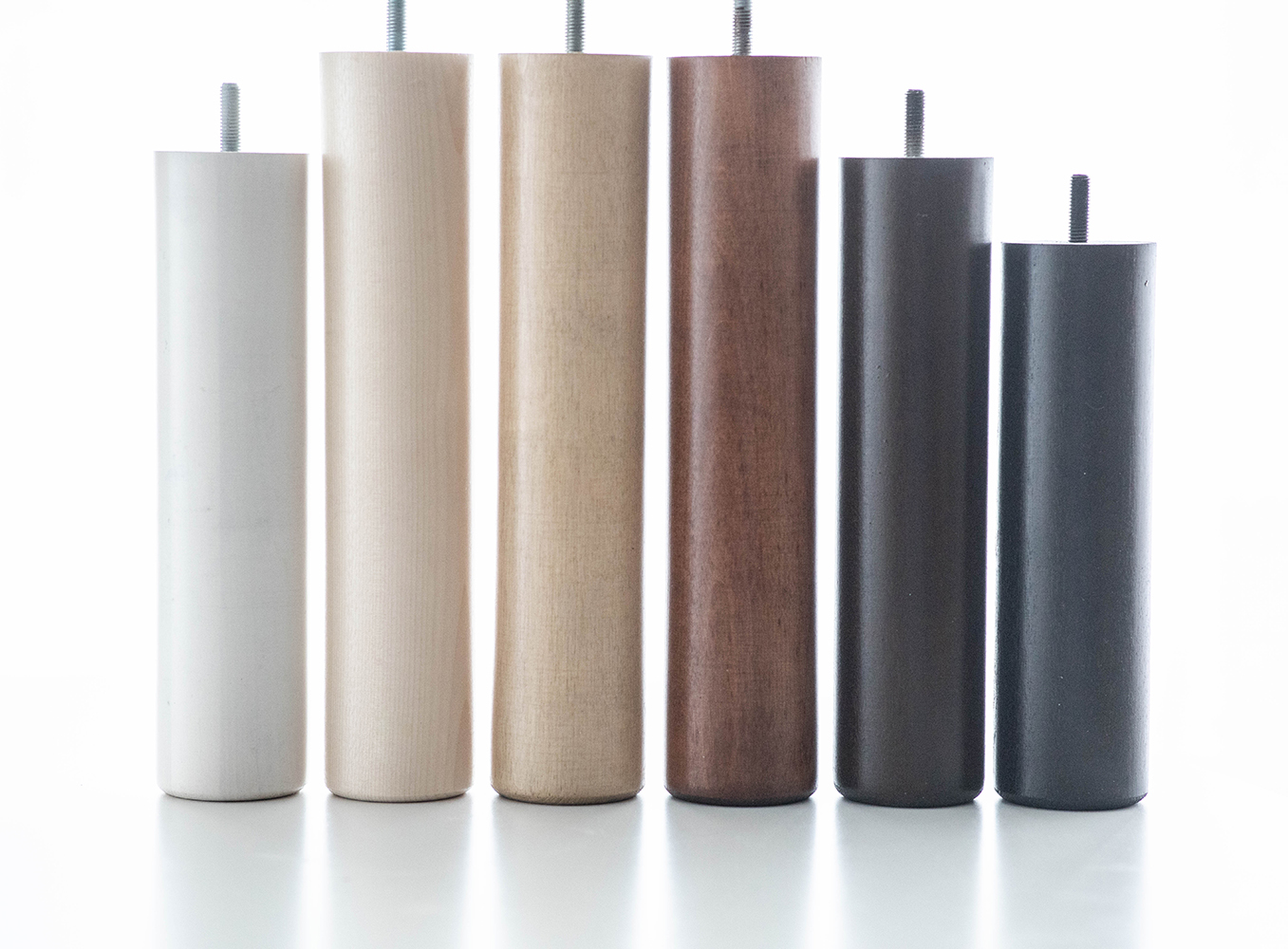
The most durable materials for bed legs include solid hardwoods like oak, maple, and birch, which offer exceptional strength and longevity. Metal options such as steel and iron provide industrial-grade durability with high weight capacities. The durability depends not only on the material but also on construction quality, with properly joined hardwood legs often outlasting cheaper alternatives by decades. For maximum durability, look for bed legs made from kiln-dried hardwood or solid metal with reinforced joints and appropriate thickness for the intended weight load.
Understanding what makes bed legs durable
Bed leg durability comes down to three critical factors: material strength, construction quality, and appropriate design. The legs must support not just the weight of the bed frame and mattress, but also the sleepers and any additional pressure applied during use. Weight capacity is perhaps the most important consideration, as legs that buckle or crack under pressure create unsafe sleeping conditions and costly replacements.
When evaluating durability, you’ll want to consider:
- Material density and hardness
- Resistance to warping and moisture damage
- Joinery method where the leg meets the frame
- Thickness proportionate to the bed’s weight
Natural materials like hardwood offer excellent compression strength and flexibility, allowing them to withstand pressure without breaking. Quality wooden legs can easily last decades or even generations with proper care. Meanwhile, metal options provide industrial-grade stability but may lack the natural give that helps wood absorb movement over time.
Which woods are best for bed legs?
Hardwoods consistently outperform softwoods for bed leg applications due to their superior density and strength. Oak stands out as an exceptional choice, offering remarkable durability, beautiful grain patterns, and excellent resistance to pressure and wear. Finnish birch, known for its tight grain and impressive strength-to-weight ratio, has become a preferred option for quality furniture makers.
Top hardwood choices for bed legs include:
- Oak (both red and white varieties) – Extremely durable with distinctive grain
- Maple – Dense, highly resistant to wear with subtle grain patterns
- Birch – Particularly Finnish birch offers excellent strength and beautiful light colour
- Ash – Strong with good shock resistance and attractive grain patterns
- Beech – Hard-wearing with a warm, consistent appearance
Softwoods like pine may be economical but typically lack the structural integrity needed for long-term use in weight-bearing furniture components. When selecting wooden bed legs, the growth environment matters significantly – slow-grown Finnish woods develop denser, stronger fibres due to the harsh northern climate, making them particularly well-suited for furniture that needs to last.
How do metal bed legs compare to wooden ones?
Metal bed legs offer distinct advantages in strength and consistency compared to wooden alternatives. Steel and iron legs can support extraordinary weight without bending or breaking, making them ideal for heavier beds or when maximum stability is required. However, they lack the natural warmth and character that make wooden legs so appealing in home settings.
The key differences between metal and wooden bed legs include:
- Weight capacity: Metal typically offers higher maximum load ratings
- Aesthetic quality: Wood provides natural variation and warmth while metal offers clean, contemporary lines
- Temperature feel: Metal can feel cold to the touch in winter months
- Sound absorption: Wooden legs tend to create less noise and vibration
- Customisation: Wood can be more easily modified, carved, or refinished
While mass-produced metal legs offer consistency, handcrafted wooden legs made by skilled craftspeople often feature superior joinery techniques that significantly enhance durability. The best wooden legs can easily match or exceed the lifespan of metal alternatives while offering greater repairability and aesthetic appeal that often improves with age.
What maintenance do different bed leg materials require?
Wooden bed legs require periodic maintenance to ensure their longevity, though quality hardwoods are remarkably forgiving. You should occasionally check and tighten any fasteners, as normal use can gradually loosen connections. For wooden legs, applying furniture wax or oil once yearly helps preserve the natural moisture balance and prevents cracking.
For different materials, follow these maintenance guidelines:
- Hardwood legs: Dust regularly, avoid direct sunlight, apply furniture oil annually
- Metal legs: Wipe clean, check for rust spots, touch up paint or protective coating as needed
- Painted wooden legs: Inspect for chips, clean with mild soap solution, avoid harsh chemicals
Regardless of material, you should periodically check that all leg attachments remain secure. If you notice any wobbling, address it immediately to prevent further damage. For wooden legs with natural finishes, cleaning with a slightly damp cloth followed by a dry one is usually sufficient. Avoid excessive moisture, as even sealed wood can absorb water that leads to swelling or warping over time.
How important is the bed leg design for durability?
The design of bed legs plays a crucial role in their durability, often outweighing even material selection. A properly designed wooden leg can outlast a poorly engineered metal one. Load distribution is the key factor – legs must efficiently transfer weight from the bed frame to the floor without creating stress points that lead to failure.
Important design elements that enhance durability include:
- Tapered designs that distribute weight along the leg’s length
- Reinforcement blocks where the leg meets the frame
- Appropriate thickness proportionate to height and expected load
- Traditional joinery methods like mortise and tenon connections
- Corner brackets or metal plates for additional support
Traditional woodworking techniques often produce the most durable results. Methods refined over centuries, like turned legs with proper grain orientation, create components that can withstand decades of use. The most durable designs typically feature a slight taper, with the widest part at the connection point to the frame, gradually narrowing toward the floor – a design that efficiently distributes compression forces.
Key takeaways for choosing durable bed legs
When selecting bed legs that will stand the test of time, prioritise quality materials and thoughtful construction over price. Solid hardwoods like oak, birch, and maple offer exceptional durability with proper care, while quality steel provides industrial strength for heavier applications. The connection method between leg and frame is just as important as the leg material itself.
Remember these essential points:
- Choose materials appropriate for your weight requirements
- Look for kiln-dried woods that resist warping
- Check the joinery quality where legs connect to the frame
- Consider the appropriate leg thickness for your bed size
- Factor in your floor type – softer floors may require wider leg bases
At Sorvipojat, we’ve spent years perfecting the art of crafting durable furniture components from Finnish hardwoods. We understand that bed legs must balance form and function – looking beautiful while providing unwavering support night after night. Our traditional woodworking techniques ensure that each leg we create is designed to last generations, not just years.
Haluatko tietää lisää tai pyytää tarjouksen? Ota rohkeasti yhteyttä!