
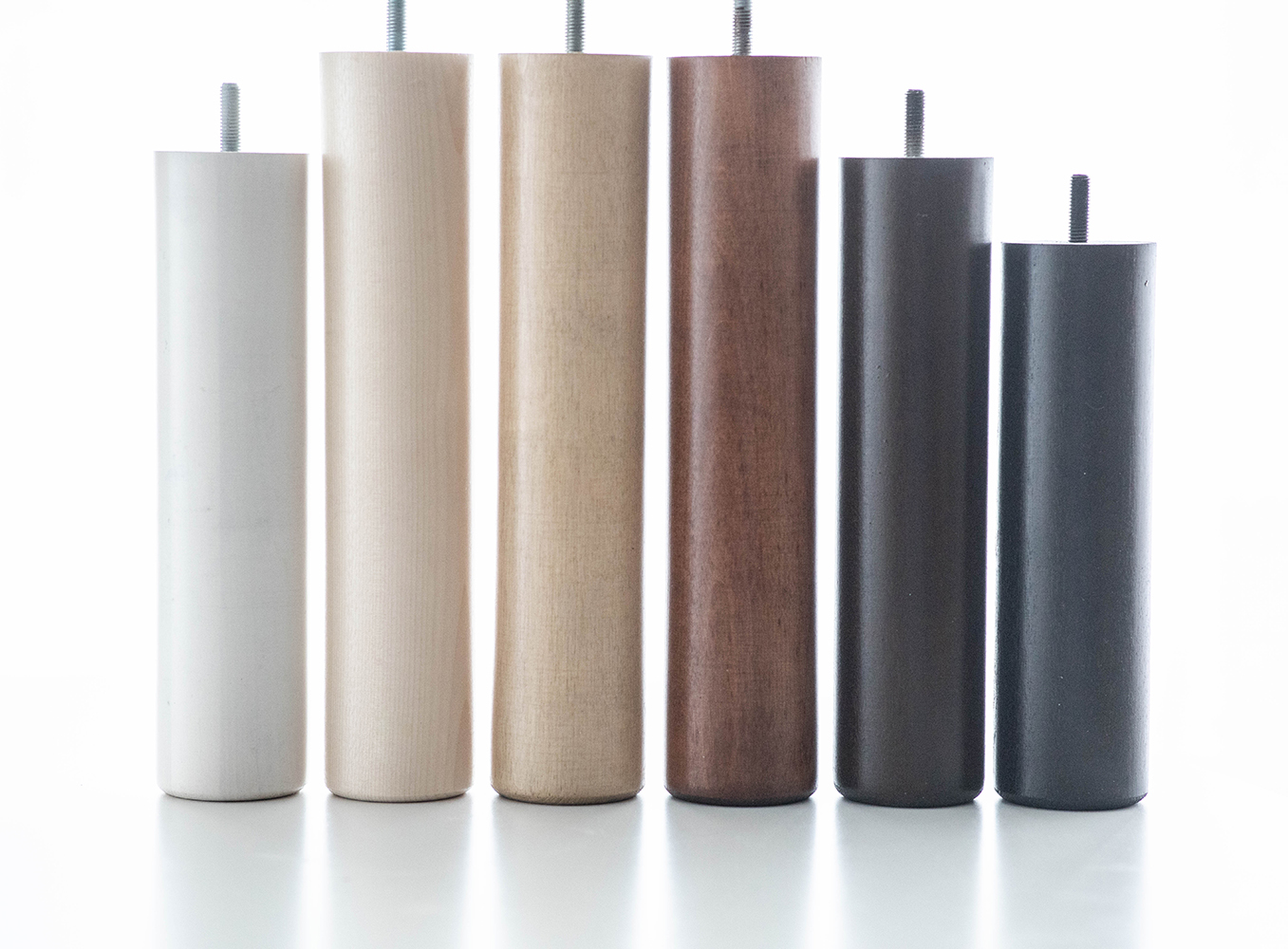
Yes, sofa legs can absolutely be replaced afterwards, and it’s a relatively straightforward process for most furniture types. Replacing sofa legs typically requires identifying the attachment mechanism (usually threaded bolts or plates), removing the existing legs, and installing new compatible ones. This project generally needs basic tools like a screwdriver, wrench, and measuring tape. The difficulty level varies based on your sofa’s design, with screw-in legs being the simplest to replace while integrated structural legs may require professional assistance. The right replacement legs must match your sofa’s weight requirements and attachment system.
Understanding sofa leg replacement basics
Sofa leg replacement is a common furniture upgrade that can dramatically transform your living space. People typically replace their huonekalun jalat (furniture legs) for several compelling reasons. Sometimes damage occurs—legs become wobbly, cracked, or completely broken through regular use. Style updates are another motivator, as changing just the legs can modernize an entire piece without the expense of new furniture. Height adjustments are also common, especially when a sofa sits too low or too high for comfort.
Most sofas feature one of several standard attachment systems that make replacement feasible. Screw-in legs with threaded metal hardware are the most replacement-friendly. Bolt-attached legs secured with plates are also relatively simple to swap out. Even sofas with wooden corner blocks can usually accept new legs with the proper hardware.
The feasibility of replacement depends largely on your sofa’s construction. Modern manufactured sofas typically have easily replaceable legs, while antiques or custom pieces might require more specialized approaches. Generally, if you can access the attachment point and the frame remains structurally sound, replacement is possible.
Can any sofa legs be replaced or are there limitations?
Not all sohvanjalat (sofa legs) can be replaced with equal ease, as several factors determine compatibility. The attachment mechanism is the primary consideration—sofas with simple threaded inserts or hanger bolt systems are easiest to modify. Plate-mounted legs secured with multiple screws offer good replacement options, while integrated legs that form part of the frame present significant challenges.
Weight considerations are crucial when selecting replacements. Your new legs must support the sofa’s weight plus that of its occupants. Underestimating load capacity can lead to structural failure and potential injury. Most manufactured legs include weight ratings that should be compared to your sofa’s specifications.
Structural limitations may also exist. Some sofas rely on their legs for essential frame support, meaning replacements must precisely match the original design parameters. Sofas with decorative skirting may conceal the attachment system, requiring careful fabric manipulation to access the mounting points.
The most challenging scenarios include:
- Legs integrated into the frame as a single wooden structure
- Antique pieces with unique or obsolete mounting systems
- Sofas with specialized suspension systems connected to the legs
- Extremely heavy or oversized furniture requiring custom support
In these cases, consulting with furniture specialists who offer huonekalun osien valmistus (furniture parts manufacturing) services is recommended.
What tools and materials do you need to replace sofa legs?
Replacing sofa legs requires a specific set of tools and materials to ensure a proper fit and structural integrity. For a standard replacement job, you’ll need:
Essential tools:
- Screwdriver set (both Phillips and flathead)
- Adjustable wrench or socket set
- Measuring tape or ruler
- Level
- Pencil for marking
- Protective padding or blanket to lay the sofa on
Materials:
- New replacement legs appropriate for your sofa’s style and weight
- Mounting hardware (if not included with new legs)
- Thread adapter if changing from one bolt size to another
- Wood glue (for reinforcement if needed)
- Felt pads to protect flooring
Before beginning the replacement process, proper preparation is essential. First, clear ample workspace around your sofa. Remove all cushions and accessories, then carefully flip the sofa onto its back or side (having a helper makes this much easier). Protect your floor and the sofa with blankets or moving pads. Examine the existing attachment system thoroughly before removing anything, taking photos if necessary to remember the original configuration.
For sofas with high-quality huonekalun jalkojen valmistus (furniture leg manufacturing) requirements, you might also need wood finishing supplies like sandpaper, stain, or protective clear coat to match existing finishes.
How do you properly measure for replacement sofa legs?
Accurate measurement is the foundation of successful sängynjalka or sohvanjalka (bed leg or sofa leg) replacement. Begin by measuring the existing legs’ height from the floor to where they meet the furniture frame. For tapered or shaped legs, measure at multiple points to capture the full dimensions. Record the diameter or width at the base and where the leg attaches to the sofa.
Next, identify the attachment mechanism type. For threaded inserts, measure the bolt diameter and thread pitch (usually 5/16″ or 8mm for standard furniture). For plate-mounted legs, measure the plate dimensions and note the screw hole pattern. Take clear photos of the attachment area for reference when shopping.
Weight distribution is another critical consideration. Determine how many legs support your sofa and how weight is distributed among them. Standard sofas typically have four to six legs, with corner positions bearing more weight than center supports. Ensure your replacement configuration maintains or improves upon this distribution.
When selecting new heights, remember these guidelines:
- Standard sofa seat height ranges from 43-48cm from the floor
- Consider user comfort—taller legs make sitting down and standing up easier
- Account for cushion compression when measuring
- Ensure consistent height across all legs for stability
Always verify measurements twice before ordering replacements, as even small discrepancies can affect comfort and stability.
When should you choose custom wooden legs versus standard replacements?
The decision between mass-produced standard legs and custom wooden sängynjalat (bed legs) depends on several key factors. Standard replacements make sense when you need a quick, economical solution with predictable specifications. These mass-produced options typically come in common sizes, finishes, and attachment types, making them suitable for most contemporary furniture.
Custom wooden legs become the superior choice when:
- Your sofa has unusual dimensions or weight requirements
- You want to match a specific wood type, grain pattern, or historical style
- The furniture has cultural or antique significance warranting authentic materials
- You’re seeking a distinctive design element that stands out
- Standard options don’t provide the structural support needed
Custom craftsmanship offers precise control over height, profile, and finishing details. Skilled woodworkers can replicate period-specific designs for heritage furniture or create contemporary styles that complement your exact aesthetic vision. While custom legs typically represent a higher initial investment, they often provide superior durability and perfect fit specifications.
The material quality difference is also significant. Mass-produced legs often use lower-grade woods or composites, while custom options can feature premium Finnish hardwoods like oak, birch, or ash—known for their exceptional strength and beautiful grain patterns. This quality difference translates to longer service life and better structural integrity, particularly for heavier furniture pieces.
Key takeaways for successful sofa leg replacement
Successful huonekalun osien valmistus (furniture parts manufacturing) and replacement hinges on several critical factors. First, accurate measurements are non-negotiable—even small discrepancies can lead to wobbling, uneven weight distribution, or structural weakness. Always measure twice and consider creating templates if replacing uniquely shaped legs.
Material quality significantly impacts longevity. Solid hardwoods generally outperform composites or softwoods, especially for heavy-use furniture. The attachment mechanism must be compatible with your sofa’s frame construction and provide sufficient stability. Weight capacity should exceed your sofa’s actual weight by at least 25% to ensure long-term reliability.
For complex replacements, don’t hesitate to seek professional custom furniture leg services. Furniture specialists can:
- Recommend appropriate materials and designs
- Custom-craft legs that perfectly match your requirements
- Ensure proper installation techniques
- Advise on maintenance for maximum durability
The investment in quality craftsmanship pays dividends through extended furniture life. Well-crafted wooden legs can transform an ordinary piece into something exceptional, often increasing the furniture’s value and certainly its longevity.
We at Sorvipojat specialize in crafting premium wooden furniture components, including custom sofa and bed legs made from the finest Finnish woods. Our combination of traditional craftsmanship and modern production methods ensures exceptional quality for every project, as confirmed by our satisfied customers and positive reviews.
Would you like to know more or request a quote? Feel free to contact us!