
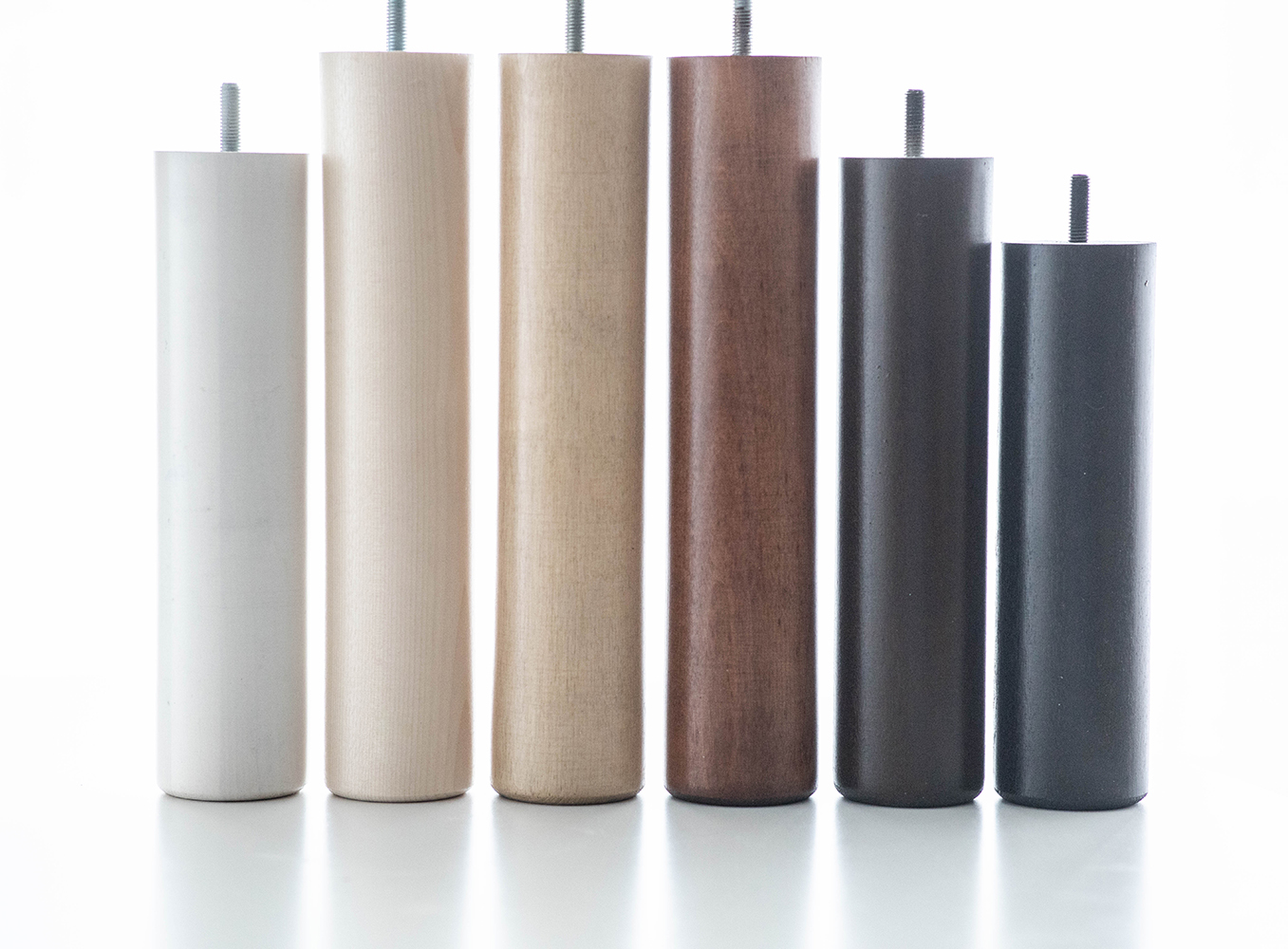
Wooden bed legs are available in various styles, shapes, and wood types to complement different bed frame designs. The most common wooden bed leg options include tapered legs, turned spindle legs, block legs, hairpin-style wooden legs, and mid-century modern round legs. Each style serves both functional and aesthetic purposes, providing necessary support while enhancing the overall design. The choice of wood species—typically oak, pine, birch, maple or walnut—affects durability, appearance, and the visual weight of the furniture piece.
Understanding wooden bed leg options for your furniture
Wooden bed legs play a crucial role in both the structural integrity and visual appeal of your bed. Beyond simply elevating your mattress from the floor, bed legs define the character and style of your furniture piece.
The right bed legs can transform the entire look of your bedroom. Traditional turned legs add classical elegance, while simple tapered legs create a more contemporary feel. Block-style legs offer robust support for heavier bed frames, and decorative carved options make a bold statement in period-inspired interiors.
When exploring wooden bed leg options, you’ll need to consider both practical factors (height, weight capacity, attachment method) and design elements (style, wood type, finish). The legs must complement your bed frame while providing reliable support for years of use.
What are the most popular wood types used for bed legs?
The most popular wood types for bed legs include oak, pine, birch, maple, and walnut, each offering distinct characteristics in terms of strength, grain pattern, and colour. The choice of wood significantly impacts both the durability and aesthetic appeal of your bed.
Oak stands out for its exceptional strength and distinctive grain, making it ideal for traditional and rustic bed designs. Its natural resistance to wear ensures your bed legs will maintain their structural integrity for decades.
Pine offers affordability and versatility, with a light colour that takes stains and finishes beautifully. It’s slightly softer than hardwoods but still provides reliable support for standard bed frames.
Birch delivers excellent value with its smooth, even grain and moderate strength. This Finnish favourite creates clean-lined, contemporary bed legs that complement modern interiors perfectly.
Maple provides outstanding durability with its dense, tight grain structure. Its pale, consistent appearance works wonderfully for both painted and natural-finish bed legs in contemporary designs.
Walnut commands attention with its rich, chocolate-brown tones and gorgeous grain patterns. Though premium-priced, walnut bed legs create a luxurious statement that elevates any bedroom’s aesthetic.
What are the classic turned wood bed leg styles?
Classic turned wood bed leg styles include spindle, bobbin, tapered, and ball-and-claw designs, each representing distinct periods and aesthetic traditions in furniture craftsmanship. These heritage designs have endured for centuries and continue to influence contemporary furniture making.
Spindle legs feature a series of rounded profiles created through lathe turning, alternating between thicker and thinner sections. This elegant style emerged during the 17th century and remains popular for traditional and farmhouse-style beds.
Bobbin (or spool) legs incorporate repeated round elements resembling thread spools. This decorative style gained prominence during the Stuart period and adds visual interest and classical character to bed frames.
Tapered turned legs combine the refinement of turning with clean lines that graduate from wider at the top to narrower at the bottom. This versatile style works with both traditional and transitional bed designs.
Ball-and-claw legs represent the height of traditional craftsmanship, featuring a carved ball gripped by talons or claws. Originating in 18th-century furniture, these ornate legs make a dramatic statement in formal bedroom settings.
Each turned style carries distinct historical associations while offering practical support for your bed frame. The turning process itself represents centuries of woodworking tradition, with skilled craftspeople creating these intricate wooden furniture elements using both traditional lathes and modern equipment.
How do modern wooden bed leg designs differ from traditional styles?
Modern wooden bed leg designs differ from traditional styles through their emphasis on minimalism, geometric forms, and clean lines rather than ornate detailing. Contemporary bed legs typically feature streamlined silhouettes that complement today’s interior design preferences for uncluttered spaces.
While traditional turned legs showcase craftsmanship through decorative profiles and curved elements, modern legs often employ straight lines and angular shapes. Simple tapered legs, square block legs, and cylindrical forms have replaced elaborate turnings and carvings.
Material treatment also distinguishes modern designs. Contemporary wooden bed legs frequently highlight the natural beauty of wood grain through clear finishes rather than heavy stains, while some modern approaches combine wood with metal elements for an industrial-inspired aesthetic.
Production methods differ as well. Though quality modern bed legs still benefit from skilled woodworking, many contemporary designs are created using CNC technology for precise, repeatable results that maintain consistent dimensions across production runs.
Despite these differences, we’re seeing a growing trend of hybrid designs that merge traditional turning techniques with modern sensibilities, creating legs that honour woodworking heritage while fitting seamlessly into contemporary interiors.
How do you choose the right wooden bed legs for your bed frame?
To choose the right wooden bed legs for your bed frame, consider the weight capacity requirements, proportional dimensions, attachment method, and how the style complements your overall bedroom aesthetic. The proper selection ensures both structural integrity and visual harmony.
First, assess weight requirements by calculating the combined weight of your bed frame, mattress, and occupants. For heavier setups, select sturdier legs made from dense hardwoods like oak or maple rather than softer woods.
Height matters significantly for both comfort and appearance. Standard bed heights range from 45-65cm from floor to mattress top, but you may prefer higher or lower depending on your personal needs and room proportions.
Consider the bed leg diameter in proportion to your frame. Substantial bed frames require visually balanced legs – too thin and they’ll appear inadequate, too thick and they’ll look overwhelming. Generally, larger beds need thicker legs to maintain visual proportion.
Verify compatibility between your bed frame’s attachment method and your chosen legs. Common mounting systems include threaded inserts, metal plates, and bracket attachments. Ensure your selected legs match your frame’s existing hardware.
Finally, align the style with your bedroom’s design theme. Traditional rooms benefit from classic turned styles, while contemporary spaces call for cleaner, simpler profiles. The wood species and finish should also harmonize with other wooden elements in your bedroom.
Key takeaways about wooden bed leg options
The key takeaways about wooden bed leg options emphasize that quality materials, proper craftsmanship, and thoughtful design selection significantly impact both the durability and aesthetic appeal of your bed. Investing in well-made wooden bed legs ensures your furniture will provide reliable support while enhancing your bedroom’s overall design.
Wood selection matters tremendously. Hardwoods like oak, maple, and walnut offer superior strength and longevity compared to softer alternatives, making them ideal choices for long-term furniture investments.
The turning or crafting technique influences both the leg’s appearance and structural integrity. Properly turned wooden legs with careful attention to grain orientation will resist splitting and maintain their beauty for generations.
Proportion and scale should guide your selection process. The right bed legs will complement your bed frame’s dimensions while creating a harmonious relationship with other furniture pieces in your bedroom.
Custom-made wooden bed legs offer unique advantages, allowing you to specify exact dimensions, wood type, and finish to perfectly match your existing furniture or realize a specific design vision.
At Sorvipojat, we combine traditional woodturning skills with modern precision to create wooden bed legs that meet the highest standards of both form and function. Our craftspeople work with premium Finnish woods to deliver bed leg solutions that satisfy our customers with exceptional quality and stand the test of time.
Would you like to know more or request a quote? Feel free to contact us!